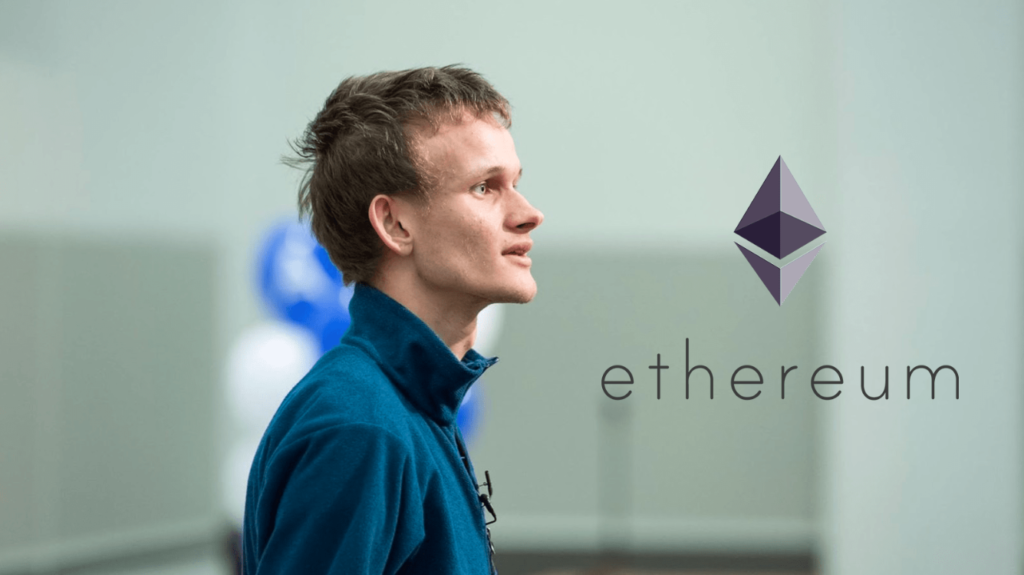

Ethereum co-founder Vitalik Buterin has weighed in on Signal’s plan to let users sign up without a phone number, calling it a meaningful upgrade while making clear it doesn’t solve privacy the way many might assume. His Friday X post lays out both what the change gets right and where it still falls short.
Why Ditching Phone Numbers Matters
Buterin pointed to three concrete benefits. Dropping phone numbers cuts dependence on telecom systems, which act as centralized choke points outside any user’s control. Phone numbers also make a shaky foundation for identity verification, given how common SIM-swapping attacks have become. Perhaps most notably, accounts untethered from phone numbers make it harder for governments to pressure Signal into geo-blocking their own citizens, since there’s no phone-based country signal to exploit.
Pseudonymity Isn’t Enough Anymore
Here’s where Buterin gets more skeptical. He argues that in 2026, pseudonymity alone doesn’t hold up. Users leak identifying information constantly — through when they send messages, who they talk to, how often, and even message length. Combine that with modern AI tools capable of piecing together identity from these small signals, and the protection pseudonymity offers starts to look thin. He also flagged that servers usually see a user’s IP address, and even VPNs or Tor don’t close every leak. His conclusion: real privacy requires message-by-message unlinkability, where not even the platform can tell who’s talking to whom — and ideally, neither party’s identity is visible to outsiders at all.
Signal has not responded to a request for comment on Buterin’s remarks.
Also Read: Aave’s Stani Kulechov Warns Ethereum’s Zero-Yield Staking Proposal Could Backfire
A Framework for Thinking About Privacy
Buterin broke the issue down into a 2×2 grid. There’s the “sitting duck” scenario, where an adversary sees both who’s acting and what they’re doing. Confidentiality — which Signal already provides through end-to-end encryption — hides the action but not the actor. Anonymity flips that, hiding the actor while the action stays visible. The ideal outcome hides both. Signal’s planned change, he explained, adds a layer of pseudonymity on top of its existing confidentiality, though it stops short of full unlinkability — a property he says is already being explored by mixnet projects and messengers like Session and SimpleX Chat.
The Bigger Picture
Buterin closed by praising end-to-end encryption’s mainstream adoption as an underrated achievement and voiced support for Signal moving ahead with phone-free accounts regardless of whether it fully closes the privacy gap. His comments frame the update as genuinely useful, just not the finish line — with real anonymity still requiring harder technical work ahead.